Japanese maple bonsai care through autumn and into dormancy
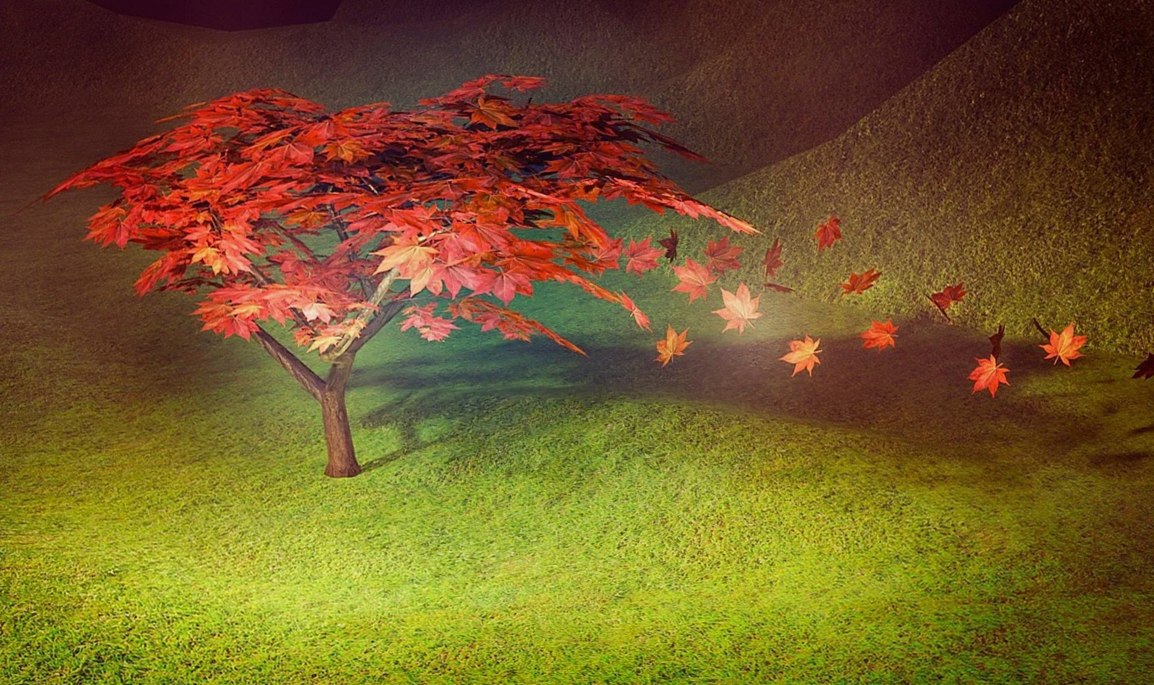
Japanese maple bonsai are among the most rewarding trees to keep through autumn because the color change is dramatic and the timing is predictable. They are also among the easiest to damage in autumn if you misread the signals. This guide covers the period from first color change through full dormancy, specific to USDA zones 7 through 9.
Reading the color change
Japanese maples begin to color when nighttime temperatures drop consistently below 50°F and the days shorten past a certain threshold. In Portland and Seattle this typically happens in late September to mid-October. The color change is a sign that the tree is beginning to pull nutrients back from the leaves into the branches and roots in preparation for dormancy.
Do not reduce watering during the color change. The tree is still metabolically active and the roots still need moisture. The mistake most beginners make is to assume that because the leaves are dying, the tree needs less water. It does not, until the leaves have actually fallen.
After leaf drop
Once the leaves have fallen, usually by mid-November in zones 8 and 9, reduce watering to once every four to seven days depending on rainfall. The tree is dormant but the roots are not dead, and they will rot if the soil stays saturated for extended periods without the leaves drawing moisture up.
This is also the time to check the structure of the tree without the distraction of foliage. Look at the branch angles, the taper of the trunk, the overall silhouette. Any wiring that was applied in spring should be removed before it cuts into the bark, which thickens slightly in autumn.
Winter protection in zones 7 to 9
Japanese maples are hardy to about -10°C (14°F), which means they do not need heated winter storage in most of zones 7 through 9. What they do need is protection from freezing and thawing cycles, which can heave the soil and damage fine roots. A cold frame, an unheated garage, or a sheltered spot against a south-facing wall all work well.
The tree needs some cold to complete dormancy properly. Do not bring it indoors into a heated space. A temperature range of 25°F to 40°F through December and January is ideal.
The seasonal care calendar in the shop is annotated specifically for Japanese maples in zones 7 through 9, with exact dates adjusted for your region. It is the most direct way to track all of this without keeping notes yourself.