Slow life philosophy: what it looks like as a daily practice
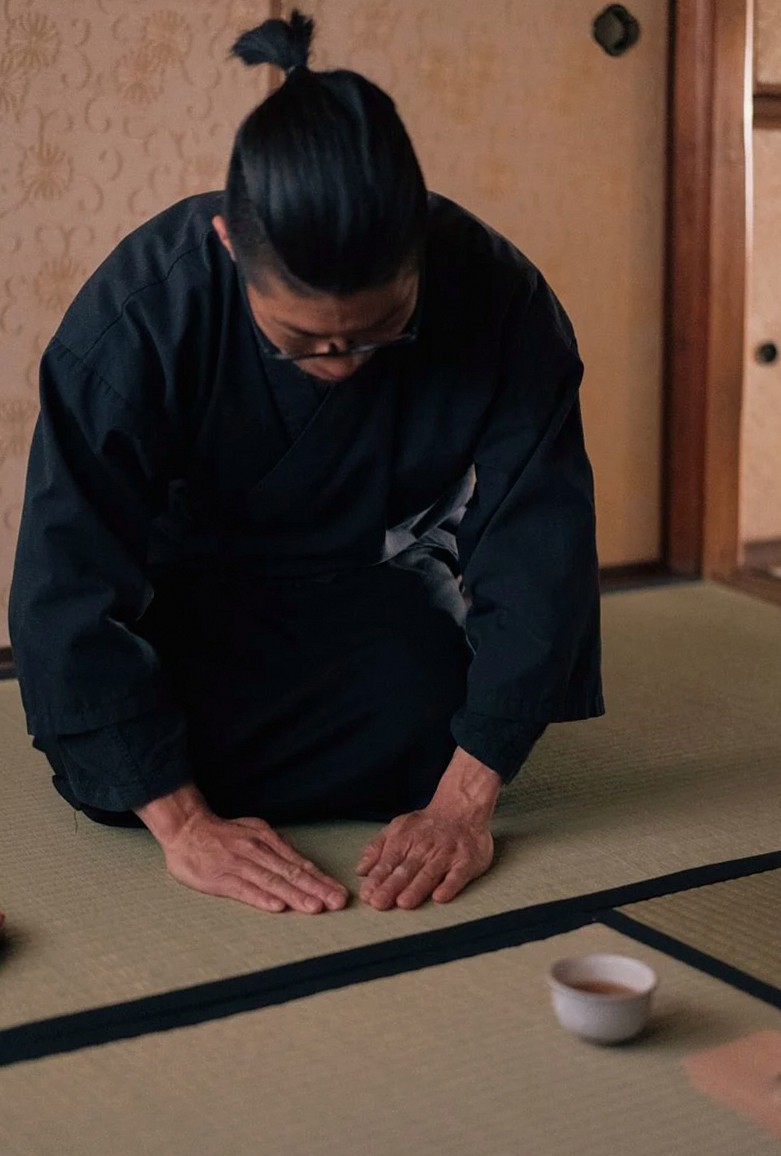
Slow life as a concept is easy to agree with and difficult to practice. The difficulty is not philosophical. Most people who are drawn to it already understand why slowing down matters. The difficulty is practical: what do you actually do differently on a Tuesday morning in October when the day is already full before it starts?
The morning before the screen
The most consistent practice among people who describe their lives as genuinely slower is a morning period before any screen is consulted. The length varies: fifteen minutes, an hour, two hours. The content varies too. What is consistent is the sequence: something physical (making tea, tending a plant, walking outside), then something quiet (reading, sitting, looking out a window), before the day's demands begin.
This is not a productivity technique. It is a way of establishing the pace of the day before the day establishes it for you. The Japanese concept of ma, the meaningful pause, is relevant here: the space before the activity is part of the activity.
One task, finished
A second practice that appears consistently is the completion of one small task before moving to the next. Not multitasking, not switching between open tabs, but finishing one thing. Brewing the tea. Watering the bonsai. Writing one paragraph. The satisfaction of completion, even of a small thing, changes the texture of the hour that follows.
This is harder than it sounds in a household with other people and competing demands. The practice is not about achieving perfect focus. It is about noticing when you have fragmented your attention and returning to one thing.
Seasonal attention
The third practice is paying attention to the season. This sounds vague but it is specific in practice: what is flowering, what is dying back, what is the quality of the light at this time of year, what does the air smell like in the morning. Japanese traditional culture structures the year around these observations in a way that most contemporary American life does not.
Tsukimi is one example. The autumn moon-viewing tradition is, at its core, a practice of seasonal attention: stopping to notice something that happens every year and would pass unobserved without the occasion. The articles we have written on this site are largely about creating those occasions.
If you are looking for a place to start, the reading membership gives you access to seasonal essays that are written to accompany the time of year you are actually in, not a generic calendar. That is the most direct way into the practice.