LunarRavenHub
Menu
Quiet traditions for a slower, fuller life

News & Announcements

Articles
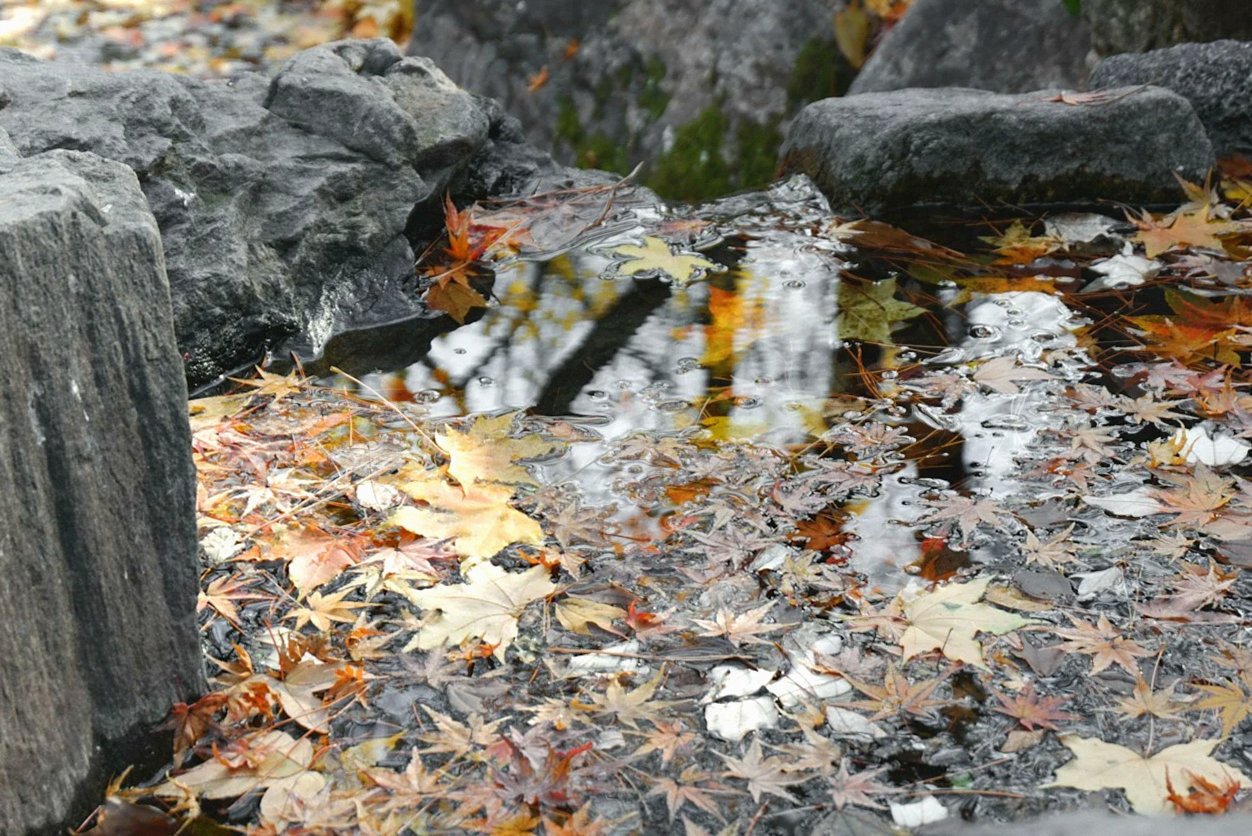
Stone lantern in a Japanese garden surrounded by autumn leaves
2026-10-08 · Featured

Slow life philosophy: what it looks like as a daily practice

Slow life as a concept is easy to agree with and difficult to practice. The difficulty is not philosophical. Most people who are drawn to it already understand why slowing down matters. The difficulty is practical: what do you actually do differently on a Tuesday morning in October when the day is already full before it starts? Read more →

2026-10-07

How to brew hojicha properly at home

Hojicha is the most forgiving of the Japanese green teas. Because it is roasted, the chlorophyll and most of the compounds that make green tea bitter at high temperatures have already been transformed. You can brew it at 90°C without the astringency that would ruin a sencha at the same temperature. But forgiving is not the same as foolproof, and there are a few things worth getting right.

2026-10-03

Japanese maple bonsai care through autumn and into dormancy

Japanese maple bonsai are among the most rewarding trees to keep through autumn because the color change is dramatic and the timing is predictable. They are also among the easiest to damage in autumn if you misread the signals. This guide covers the period from first color change through full dormancy, specific to USDA zones 7 through 9.

2026-10-01

How to observe tsukimi, the Japanese moon-viewing tradition

Tsukimi falls on the fifteenth day of the eighth month of the traditional lunar calendar, which in the Gregorian calendar lands somewhere in September or October depending on the year. In 2026 the harvest moon falls on October 2, and the next full moon after that is November 5. The tradition is simple enough to observe anywhere you have a window or a porch and a clear sky.

2026-09-06

Mixing bonsai soil for Pacific Northwest winters

Most bonsai soil guides are written with a Japanese or a dry-climate American context in mind. If you are growing trees in Portland, Seattle, or anywhere west of the Cascades, the standard 6:3:1 akadama-pumice-grit ratio will hold too much moisture through the wet season and your roots will suffer for it. This is what we have learned over six winters of adjusting.

2026-08-26

Wabi-sabi at home: what it means in practice

Wabi-sabi is one of those Japanese concepts that travels badly. By the time it arrives in an American home goods catalog it has usually been reduced to 'imperfect ceramics and neutral tones.' The actual concept is more demanding and more interesting than that. It has to do with the acceptance of impermanence and the recognition that things become more themselves as they age, not less.

2026-07-28

Caring for an ink stone: what beginners get wrong

An ink stone is one of those tools that reveals its quality slowly. A good stone, properly maintained, will outlast its owner. A good stone poorly maintained will develop a glazed surface within a year that makes grinding ink frustrating and inconsistent. The difference between the two outcomes is mostly a matter of a few small habits.

2026-06-05

Stone placement in a Japanese garden: the principles behind the practice

Stones in a Japanese garden are not decorative objects placed for visual interest. They are structural elements that define the character of a space, direct movement through it, and in the older tradition, represent specific natural forms: mountains, islands, animals in repose. Getting the placement wrong does not just look odd. It changes what the garden is.

Stay subscribed

Quiet traditions for a slower, fuller life. New essays in your inbox.

We reply within 24 hours.
Keep exploring

Quiet traditions for a slower, fuller life

Home

Learn more about what we do.

Read more
About

The story behind this place

Meet the people behind the work.

Read more
Contact

How to reach us

Come visit, or drop us a line.

Read more

Privacy

Learn more about what we do.

Read more

Terms

Learn more about what we do.

Read more