Caring for an ink stone: what beginners get wrong
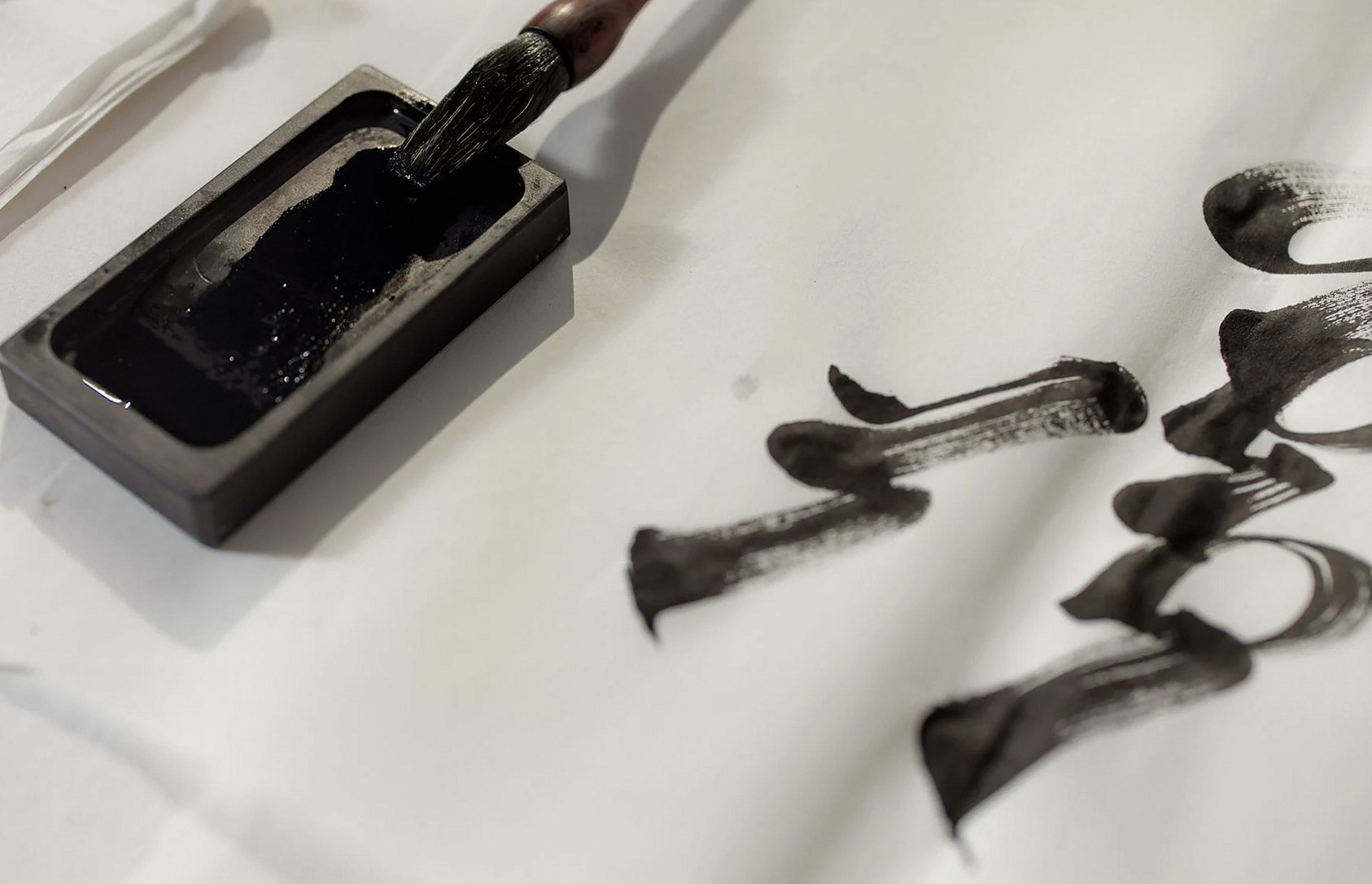
An ink stone is one of those tools that reveals its quality slowly. A good stone, properly maintained, will outlast its owner. A good stone poorly maintained will develop a glazed surface within a year that makes grinding ink frustrating and inconsistent. The difference between the two outcomes is mostly a matter of a few small habits.
How to grind ink correctly
Place a small amount of water in the well of the stone, not on the grinding surface. Dip the tip of the ink stick into the water and grind in slow, circular motions on the flat surface, applying light pressure. The ink should develop gradually over three to five minutes. Rushing the grinding produces ink with large particles that will clog a brush and dry unevenly on paper.
The water-to-ink ratio determines the darkness of the line. More water produces a lighter, more transparent ink. Less water produces a dense, matte black. For sumi-e painting, you will typically use several dilutions in the same session, which is why the well is kept separate from the grinding surface.
Cleaning after use
Rinse the stone with clean water immediately after use. Do not use soap. The stone is porous and soap residue will affect the grinding surface and the quality of future ink. Use a soft cloth or your fingers to remove any dried ink from the well and the grinding surface.
If ink has dried on the stone, soak it in clean water for ten minutes before cleaning. Do not scrub with anything abrasive. A dried ink stone that has been scrubbed will have a scratched surface that grinds unevenly.
Storage
Store the stone in its box with the lid slightly open to allow air circulation. A completely sealed box can trap moisture and encourage mold on the grinding surface, particularly in humid climates. The paulownia wood box that comes with the ink stone set in the shop is designed with a small gap at the hinge for this reason.
The ink stone and ink stick set in the shop comes with a one-page care card that covers these points in brief. If you have questions after your first few sessions, the contact page is the right place to ask.