Wabi-sabi at home: what it means in practice
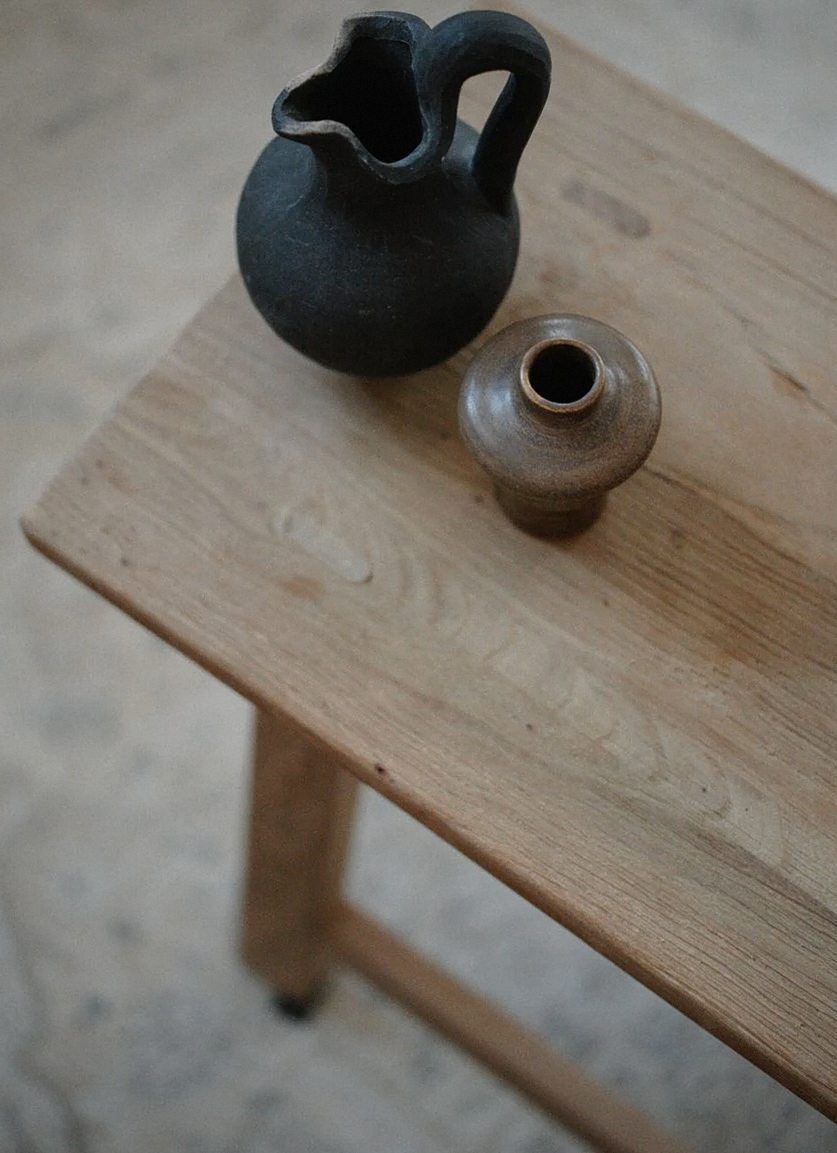
Wabi-sabi is one of those Japanese concepts that travels badly. By the time it arrives in an American home goods catalog it has usually been reduced to 'imperfect ceramics and neutral tones.' The actual concept is more demanding and more interesting than that. It has to do with the acceptance of impermanence and the recognition that things become more themselves as they age, not less.
The two words and what they mean
Wabi originally referred to the loneliness and austerity of living away from society, in a hut in the mountains or at the edge of a forest. Over time it came to describe a kind of beauty found in simplicity and restraint. Sabi referred to the patina that accumulates on objects over time, the rust on iron, the darkening of old wood, the way a ceramic glaze changes color after years of use.
Together they describe an aesthetic that values the evidence of time and use over the appearance of newness. A bowl with a crack that has been repaired with gold lacquer (kintsugi) is more interesting than an unbroken one, not because the crack is beautiful in itself but because it records something that happened.
What this looks like in a real home
In practice, wabi-sabi at home means resisting the impulse to replace things that are worn rather than broken. The threshold that has been walked across for twenty years, the wooden spoon that has darkened with use, the garden wall that has developed moss on the north side: these are not problems to be solved. They are the record of a life being lived in a place.
It also means being selective about what you bring in. A home that applies wabi-sabi principles tends to have fewer objects, not more. Each object has been chosen because it is genuinely useful or genuinely beautiful, and it is allowed to age in place rather than being rotated out for something newer.
One place to start
If you want to apply this practically, start with one surface in your home, a windowsill, a shelf, a corner of the garden, and ask what is already there that has earned its place through use and time. Remove what is there only because you have not gotten around to moving it. Leave what has a history. Then stop.
The point is not to create a wabi-sabi aesthetic. The point is to pay attention to what is already there.
The reading membership library has a translated excerpt from Leonard Koren's writing on wabi-sabi that goes into more depth on the historical context. It is worth reading before you buy anything.